


Reducing overall consumption is a major environmental challenge that affects us all. Indeed, everyone must take action to limit their impact on the environment. According to the Ministry of Ecological Transition, in 2018, 343 million metric tons of waste (all types combined) were generated, with an average of 582 kg per capita. France aims to reduce waste to 501 kg per capita by 2030. While we are slightly behind our German neighbors in implementing household waste recycling, there are various options available, and natural alternatives are on the rise. Here is a list of quick and easy best practices to adopt in order to reduce the amount of waste you throw away every day and consume more responsibly.
1/ Sort through your belongings and organize your home
The first step is to regularly sort through your belongings. Whether in the kitchen or in your closets, we usually have so many possessions that we end up forgetting about them. From kitchen utensils to home decor and even clothes, taking control of how you organize your home helps you see more clearly what you really need without having to buy anything new. On the other hand, sorting through your belongings to donate what you don’t use—or no longer use—will also be beneficial. Once your living space is tidy and arranged to your liking, it will bring you a sense of satisfaction that will reduce the urge to shop.
2/ Replace single-use products
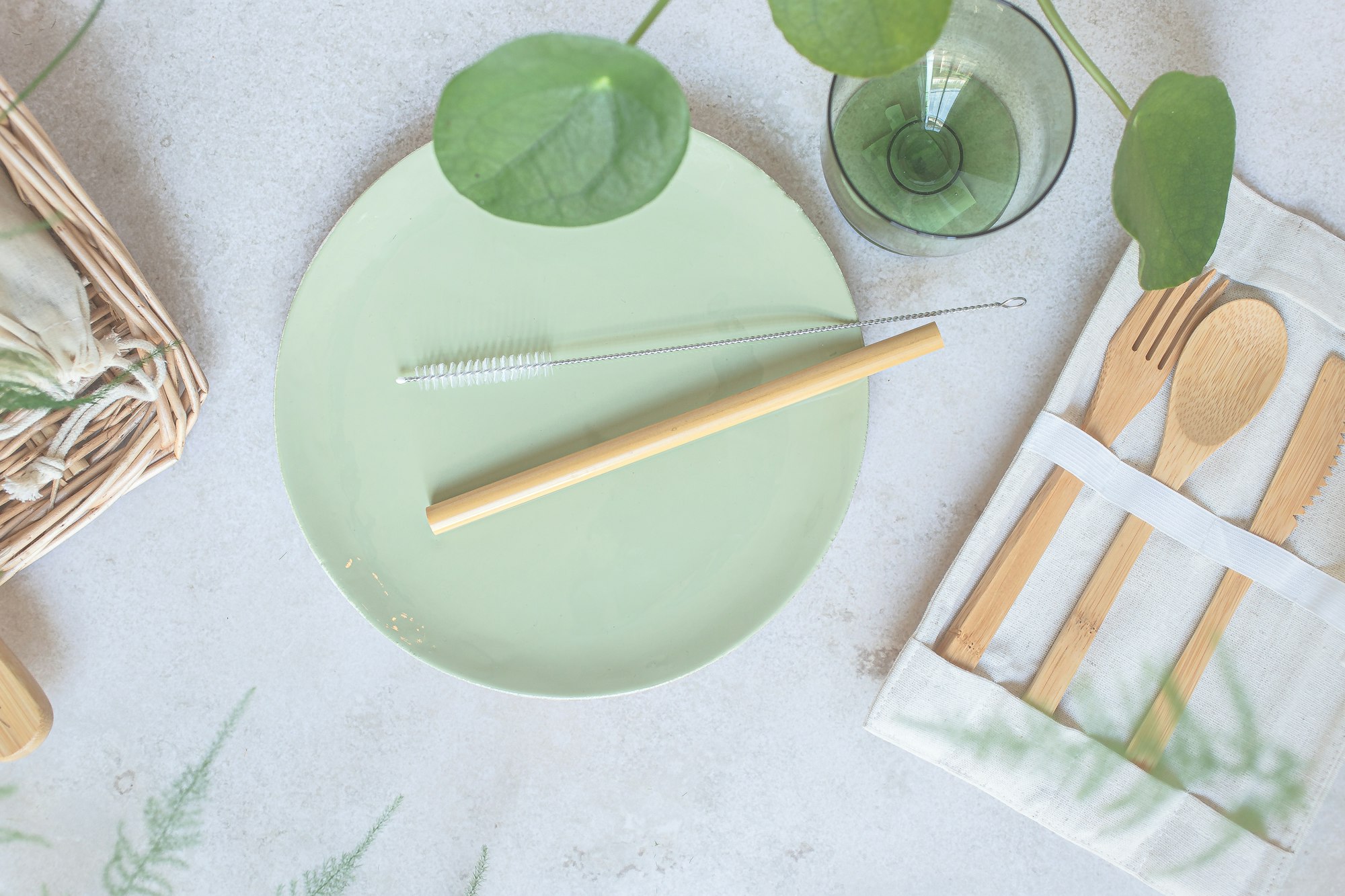
On average, European Union countries produce 25 million metric tons of plastic waste per year. Since 2017, single-use plastic bags have been banned, and since 2021, the ban has been expanded to include many plastic products such as cotton swabs, coffee stirrers, and cutlery. However, these have been replaced by other single-use products, such as those made of bamboo. Even though the environmental impact is less, they are still waste. Therefore, turning to more sustainable alternatives is a long-term solution. Cotton swabs, for example, can be replaced by an oriculi. Small stainless-steel cutlery sets are perfect for taking to work or on a picnic. Makeup remover pads also have an eco-friendly alternative in the form of reusable organic cotton pads. When it comes to menstrual products, menstrual cups and period underwear are not only sustainable but also healthier for your body than traditional pads. Finally, there are plenty of options in the kitchen as well. You can replace parchment paper with reusable silicone baking mats. The same goes for the bamboo paper towel roll, which is washable. Finally, the sponge used for dishes and countertops can be swapped out for a wooden brush and a microfiber cloth.
Generally speaking, when a product is regularly replaced, the natural thing to do is to ask yourself: Is there an eco-friendly and more sustainable alternative?
3/ Buy sustainable furniture

Following on from the previous point, buying sustainable furniture made from high-quality materials ensures that you’ll be able to keep it in good condition—or even pass it down to future generations. Some pieces can last longer than a lifetime; solid wood furniture is a prime example. Easy to maintain, these pieces are unmatched in their durability and add authentic charm to your interior design. Moreover, many artisans work with raw materials to create exceptional pieces, offering an opportunity to support them. Admittedly, the price is higher than what you’ll find at big-box retailers, but it’s an investment in a durable product. The same goes for mattresses: prices vary widely, and spending over 1,000 euros on a mattress may seem absurd compared to what’s available on the market. However, their quality and lifespan are equally distinct. Certain materials, such as natural latex can even be recycled at the end of their useful life. In this context, it’s important to understand that price alone shouldn’t always influence our choices, because the quality of craftsmanship and materials is more valuable in the long run.
4/ Extend the lifespan of products
Whether it’s appliances, dishes, or clothing, taking good care of your belongings helps extend their lifespan. Despite planned obsolescence, it’s possible to keep items longer by following the care instructions. For example, when it comes to clothing, carefully reading the care labels to learn how to care for items based on their material and color is essential for keeping them in good condition for years. If there’s a hole or tear, a little mending can make them look brand-new again, or you can even take them to a tailor. A cell phone can be used for more than three years without any problems if it has a protective case to shield it from drops and if the battery is properly maintained. In Japan , kintsugi is a practice that involves repairing broken ceramic or porcelain tableware using lacquer and gold powder. It’s a great source of inspiration for giving broken tableware or vases a unique charm.
Keeping items longer saves money and is also good for the environment in an era when it’s easy to replace them thanks to the multitude of brick-and-mortar and online stores. Learn more here.
5/ Second Life or Secondhand
Many items can be given a second life by turning them into rags, boxes, decorative pieces, and more. In the age of DIY (Do It Yourself), the only limit is your imagination. And if we no longer have a use for an item, donating or reselling it will bring joy to someone else.
The secondhand market continues to grow in popularity every year. It’s a great opportunity to find bargains or vintage items for personalized decor or style. The secondhand market in France is worth 7 billion euros, and it’s estimated that 7 out of 10 people buy secondhand clothing. The success of sites like Vinted only confirms this trend. However, this shouldn’t have the opposite effect—namely, encouraging people to buy more just because prices are low.
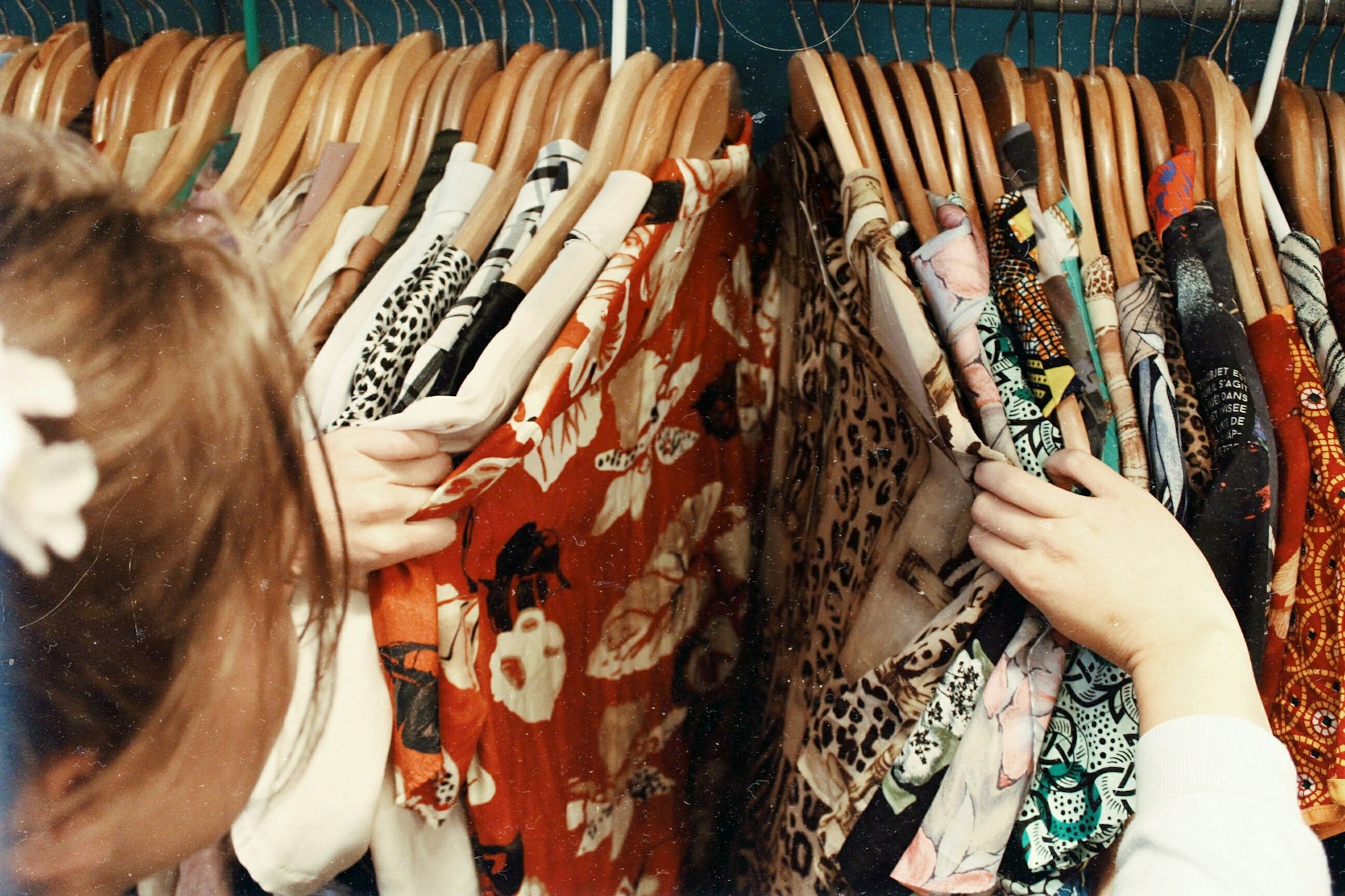
This is especially useful whenyou’re looking for a specific product you really need —one you might find at an unbeatable price on a secondhand website or through a private sale. There are also yard sales and flea markets that are full of treasures. Hunting for bargains has become a hobby that’s attracting more and more enthusiasts. Even visiting Emmaüs has become trendy for finding books or tableware.
6. Eco-Friendly Grocery Shopping and Organized Cooking
The kitchen is definitely the place where the most waste and trash accumulate on a regular basis. This is normal because food is replaced regularly. Batch cooking is a way to plan meals for the week, typically prepared in advance on Sunday in 2–3 hours. This gives you a clear picture of what to eat over the next 7 days. It allows you to make a shopping list and prepare the bulk of your meals all at once—chopping vegetables, baking in the oven, cooking in a pot or pan, and using proper storage techniques... Organizing your cooking involves making meals from scratch and knowing your ingredients so you can use them before they expire. Healthier and more economical, cooking from scratch and planning ahead gives you better control over your food consumption while also reducing waste.
When grocery shopping, choosing fresh and dry goods sold in bulk is one of the key ways to minimize plastic packaging. To do this, bring your own reusable cloth bags or glass jars. Finally, it’s a good idea to shop on a full stomach so you won’t be tempted to buy things you don’t need just because you’re craving them. Of course, treating yourself is essential, but impulse buying also happens when it comes to food.

In short, there are many ways to adjust your consumption habits and move toward zero waste. What’s your favorite tip? Feel free to share your best habits with us!